The RV Franklin bobbed gently on the surface of the Pacific Ocean. The sky darkened as night fell over the Manus Basin off the coast of Papua New Guinea (PNG).
It was April 2000. The team of researchers onboard the Franklin were led by chief scientist Dr Ray Binns and was made up of experts from Australia and PNG. Far below them, unseen by all but the ship’s instruments, volcanic forces had sculpted the seafloor, fuelling the Manus Basin’s extraordinary hydrothermal vent systems – cradles of heat where spires and chimney-like blackened towers rose, venting minerals into the deep.
Ray explained that the team had spent time here, mapping and sampling the Satanic Mills hydrothermal field. Now, Dredge MD-133 descended again. It was tasked with sampling microbial life drifting around these otherworldly structures.
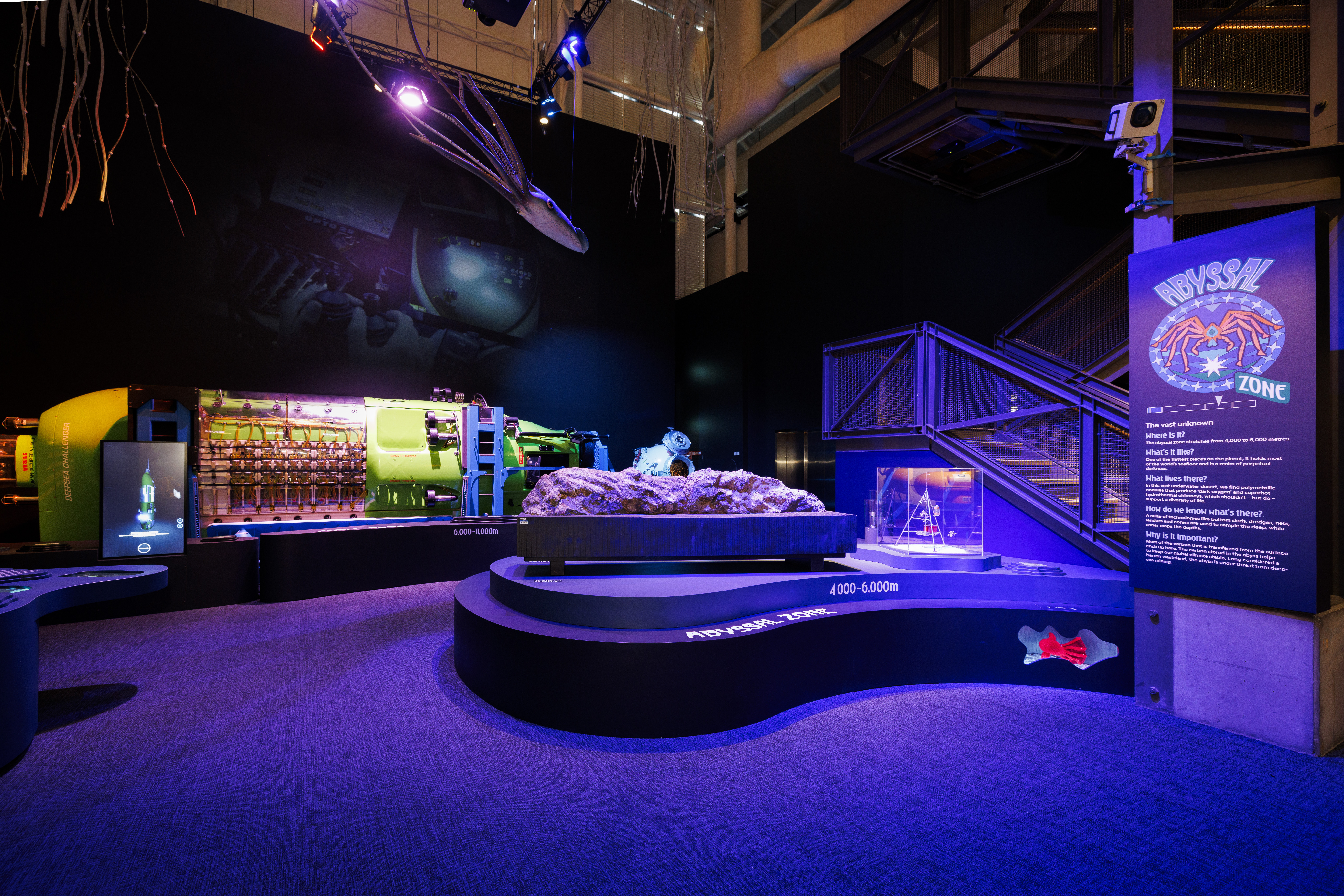
They all knew the challenges; the dredge had snagged on the unforgiving seafloor in earlier missions. Now, as the dredge bit into the fringe of the vent field, the cable’s tension spiked. It wasn’t just stuck – the Franklin was anchored.
Fifty long minutes passed. Carefully, Captain Neil Cheshire manoeuvred Franklin back to the hang-up point, hauling and paying cable until the dredge finally broke free. Cable readings spoke of a heavy load, but nothing could have prepared them for what was eventually hauled up through the waves. Dangling precariously across the dredge’s ring was a giant: a 2.7-metre-tall, perfectly tapered spire, dripping warm, acid seawater into the dark.
The crew worked fast, guiding the colossal specimen onboard. It was an extraordinary find.
Originally published on CSIRO.au on 20 Dec, 2024. Read the entire article here.
 Smriti Daniel